A Market on the Move
The world is moving toward cleaner, electric energy, powered by IoT-enabled systems in cars, buses, and even homes running on renewable sources. But as the demand for batteries soars, so does the question of what happens when these batteries reach the end of their life?
That’s where the Battery Management System (BMS) market plays a crucial role. According to a Future Market Insights report, the BMS market is projected to grow from USD 10.2 billion in 2025 to USD 23.3 billion by 2035, driven by the global need for efficient, sustainable, and safe battery operations.
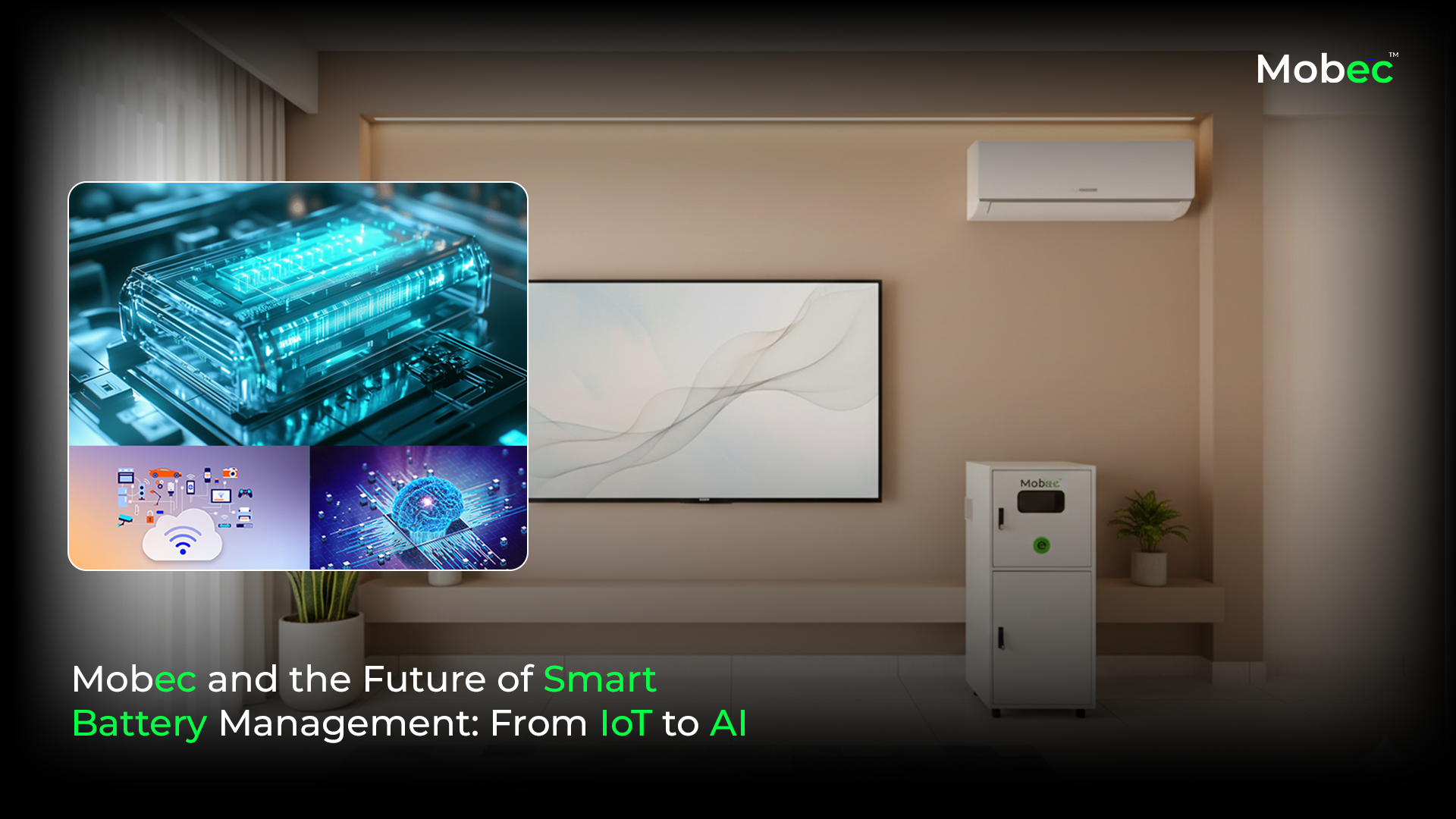
The report highlights two major trends shaping this transformation: the rise of IoT (Internet of Things) and the integration of AI (Artificial Intelligence) into energy systems. Mobec Innovations is emerging as a key player in this smart shift by recycling batteries responsibly and giving them a second life through intelligent technology.
What’s Changing in Battery Management
A few years ago, battery management simply meant keeping batteries safe, preventing overheating, overcharging, or power loss. Today, it’s much more advanced.
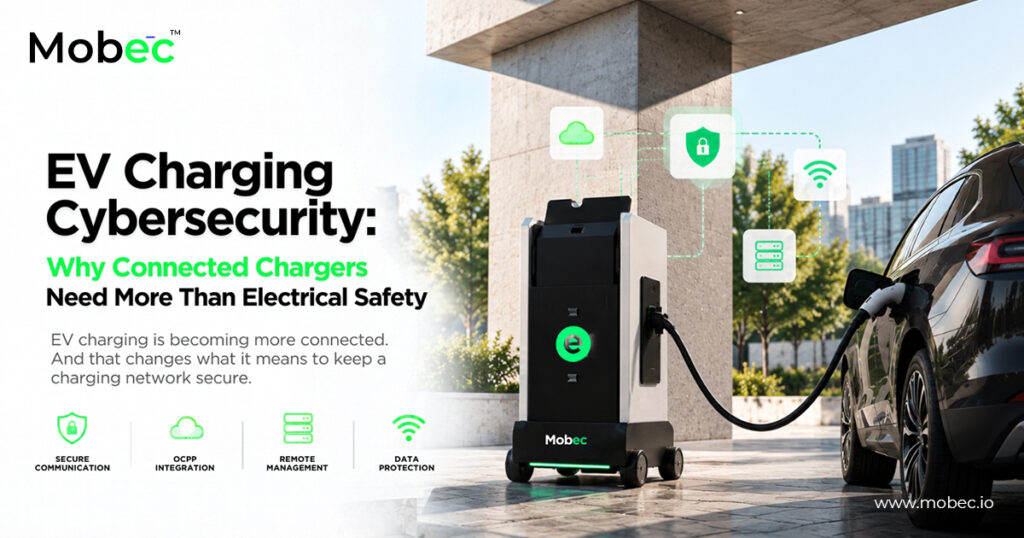
Modern BMS solutions use IoT sensors and data analytics to monitor a battery’s performance, health, and safety in real time. They can send alerts if a battery overheats, track its charge cycles, and even estimate how long it will last before it needs replacement.
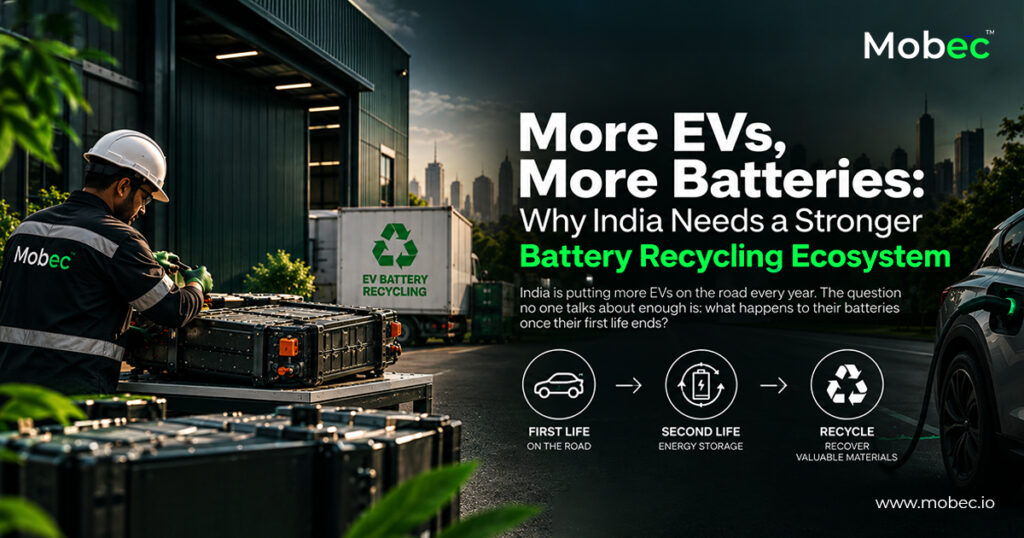
This kind of smart monitoring is essential not just for new batteries, but also for recycled ones, ensuring they remain reliable, efficient, and safe when reused in second-life applications like energy storage systems or smaller mobility devices.
Mobec’s Approach: Smart Recycling Meets IoT
Mobec Innovations has stepped into this space with a forward-thinking vision: to make battery recycling cleaner, smarter, and circular.
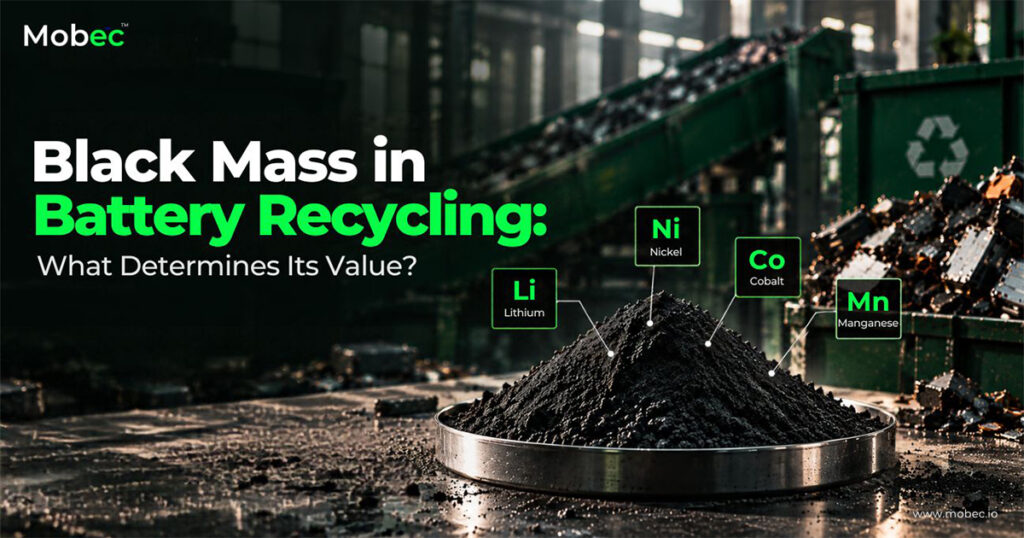
When Mobec collects used lithium-ion batteries, the process doesn’t end with dismantling them. Through advanced IoT-based tracking and monitoring systems, Mobec can assess the health and potential of each recovered cell. Instead of treating every battery as waste, the data helps identify which materials or modules can be reused safely and which should be recycled for raw elements like lithium, nickel, and cobalt.
This digital layer, powered by IoT-enabled insights, makes recycling more efficient and transparent. It ensures that every recovered component gets its rightful place in the circular economy, reducing waste and conserving valuable resources.
The Next Leap: AI and Machine Learning
Mobec’s next big step is to bring Artificial Intelligence (AI) and Machine Learning (ML) into its recycling and repurposing operations.
While IoT helps gather real-time data from batteries, AI can analyze that data to make smarter decisions. For instance, AI models can learn to predict which recycled cells will perform well in second-life uses, or which materials have higher recovery potential.
In the long run, this means more accurate sorting, safer repurposing, and better yield from every recycled battery, turning what was once waste into valuable clean energy assets.
Conclusion: A Smarter Way to Close the Loop
The global shift toward sustainable energy isn’t just about making more batteries – it’s about managing and reusing them wisely. As the Future Market Insights report shows, the BMS market is evolving rapidly toward connected, data-driven solutions.
By integrating IoT-based BMS technology into our recycling ecosystem and moving toward AI-powered optimization, Mobec Innovations is redefining what it means to give batteries a second life.
It’s not just recycling, it’s recycling made intelligent. And as India pushes forward in its clean energy mission, Mobec’s approach is proving that technology can power not just the future of mobility, but also the sustainability of the planet.