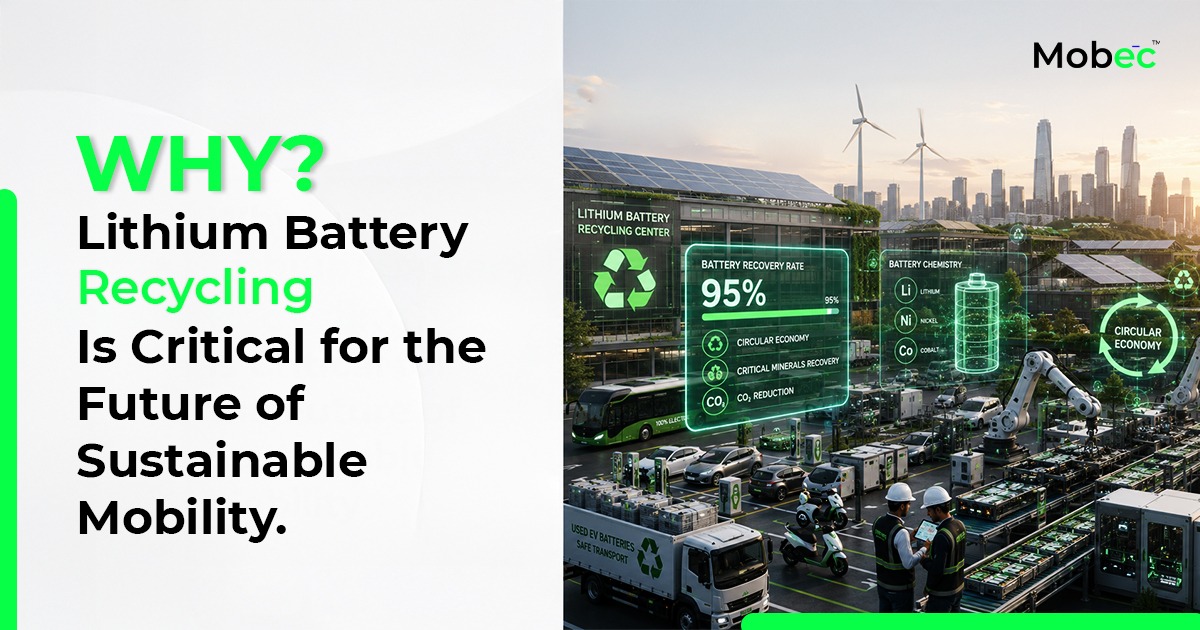
Electric vehicles are no longer a future concept. They are already becoming a part of everyday life across India and the world. From electric two-wheelers on city roads to growing EV fleets, the shift toward cleaner mobility is happening faster than ever.
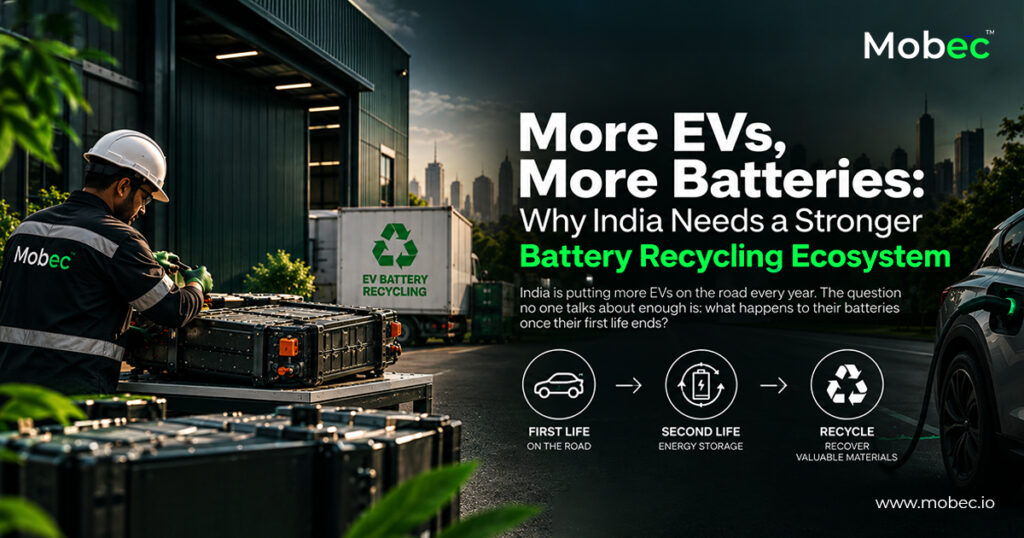
But while most conversations around EVs focus on vehicle adoption and charging infrastructure, another equally important challenge is quietly growing in the background: what happens to lithium-ion batteries once they reach the end of their lifecycle?
This is where lithium battery recycling becomes critical.
As the EV ecosystem expands, battery recycling is emerging as one of the most important pillars of sustainable mobility, resource security, and long-term environmental responsibility.
India’s EV Growth Is Creating a New Sustainability Challenge
India’s EV market has seen rapid growth over the past few years, supported by government initiatives, expanding charging infrastructure, rising fuel costs, and increasing awareness around clean transportation.
According to industry estimates, India is expected to become one of the world’s fastest-growing EV markets over the coming decade. Electric two-wheelers, three-wheelers, passenger EVs, and commercial fleets are all contributing to this momentum.
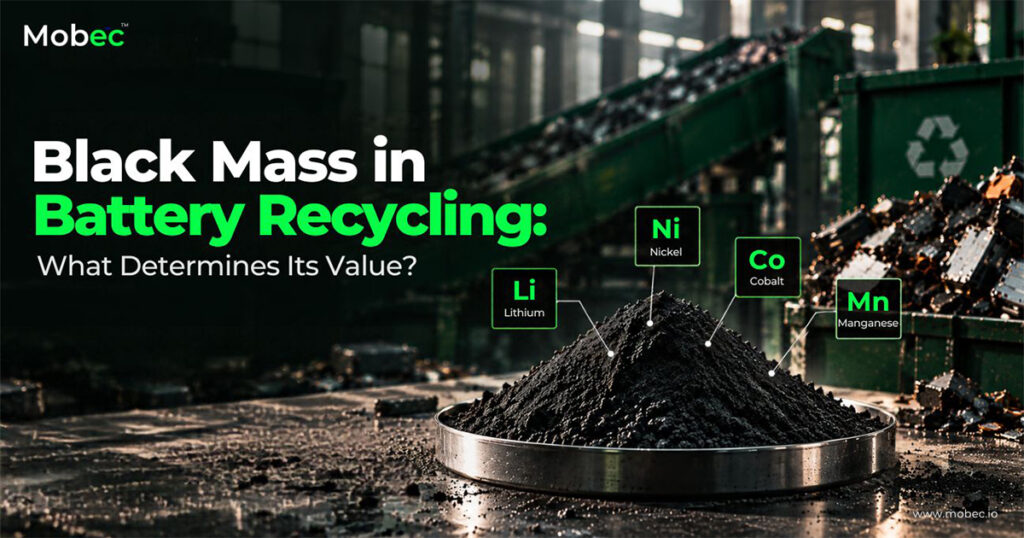
But every EV depends on lithium-ion batteries, and these batteries contain valuable yet limited materials such as:
- Lithium
- Nickel
- Cobalt
- Copper
- Aluminum
As battery demand grows, so does the pressure on global supply chains.
Currently, many countries, including India, still depend heavily on imported raw materials and battery components. This creates long-term concerns around pricing volatility, supply shortages, and resource dependency.
That’s why battery recycling is no longer just about waste management. It is becoming a strategic necessity.
Why Lithium Battery Recycling Matters More Than Ever
Lithium-ion batteries cannot simply be discarded like regular waste.
Improper disposal can lead to:
- Environmental pollution
- Soil and groundwater contamination
- Fire and safety hazards
- Loss of valuable recoverable materials
At the same time, continuously extracting new raw materials through mining has its own environmental impact, including high energy usage and ecological damage.
Battery recycling helps address both challenges.
By recovering valuable materials from used batteries, recycling reduces pressure on mining operations and supports a more circular economy where materials can be reused instead of wasted.
More importantly, recycling can help reduce import dependency by creating stronger domestic material recovery ecosystems.
Recovered battery materials can support:
- Local battery manufacturing
- Resource efficiency
- Reduced raw material imports
- Better supply chain stability
- Long-term sustainability goals
As EV adoption accelerates globally, these factors will become increasingly important for the future of clean mobility.
Sustainable Mobility Is About More Than Just EV Adoption
The idea of sustainable mobility goes beyond replacing fuel-powered vehicles with electric ones.
A truly sustainable EV ecosystem also depends on:
- Responsible battery lifecycle management
- Safe recycling systems
- Resource recovery infrastructure
- Renewable energy integration
- Efficient charging networks
- Circular economy practices
Without proper recycling infrastructure, the environmental benefits of EV adoption can become difficult to sustain in the long run.
This is why governments, manufacturers, mobility companies, and infrastructure providers are increasingly focusing on building stronger battery recycling ecosystems alongside EV growth.
Battery Recycling Will Shape the Future EV Ecosystem
Industry experts believe millions of lithium-ion batteries globally will reach end-of-life stages over the next several years as first-generation EV adoption matures.
This creates both a challenge and an opportunity.
Battery recycling is emerging as a critical pillar of the clean energy transition.
At the same time, advancements in recycling technologies are improving:
- Material recovery efficiency
- Battery diagnostics
- Safe storage and transportation
- Sustainable processing methods
- Resource optimization
The future of EV sustainability will depend not only on how many electric vehicles are sold, but also on how responsibly the industry manages batteries throughout their entire lifecycle.
Mobec’s Vision for Sustainable Mobility
At Mobec, we believe the future of electric mobility must be supported by sustainable infrastructure, responsible energy practices, and long-term ecosystem thinking.
As EV adoption continues to grow, the importance of lithium battery lifecycle awareness, charging infrastructure, and sustainable mobility solutions will continue to increase alongside it.
Mobec continues to contribute toward cleaner and smarter mobility ecosystems through portable EV charging solutions and lithium battery recycling initiatives designed to support the future of sustainable transportation.
Because the future of mobility is not only about electrification.
It is also about building cleaner, smarter, and more responsible energy ecosystems for generations to come.