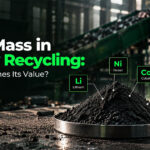
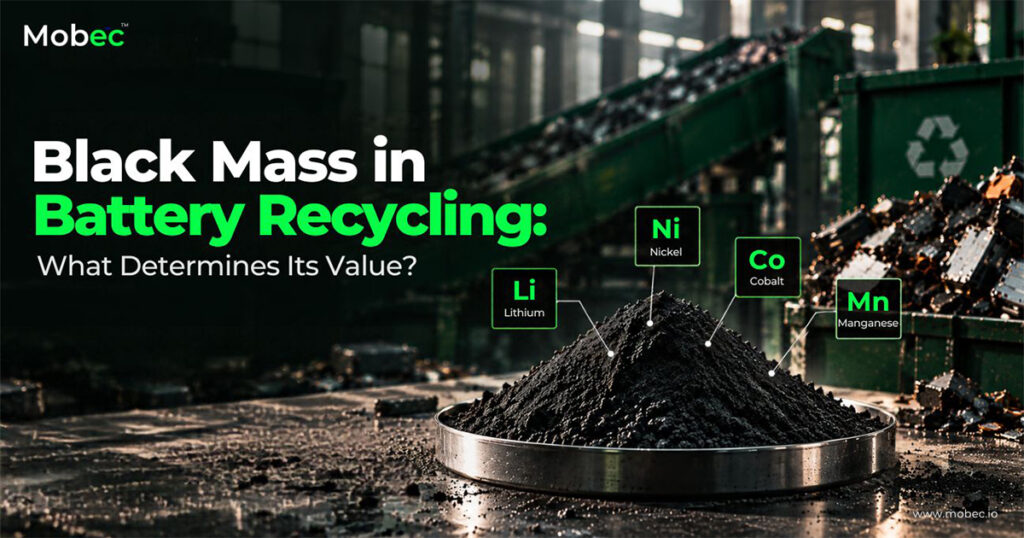
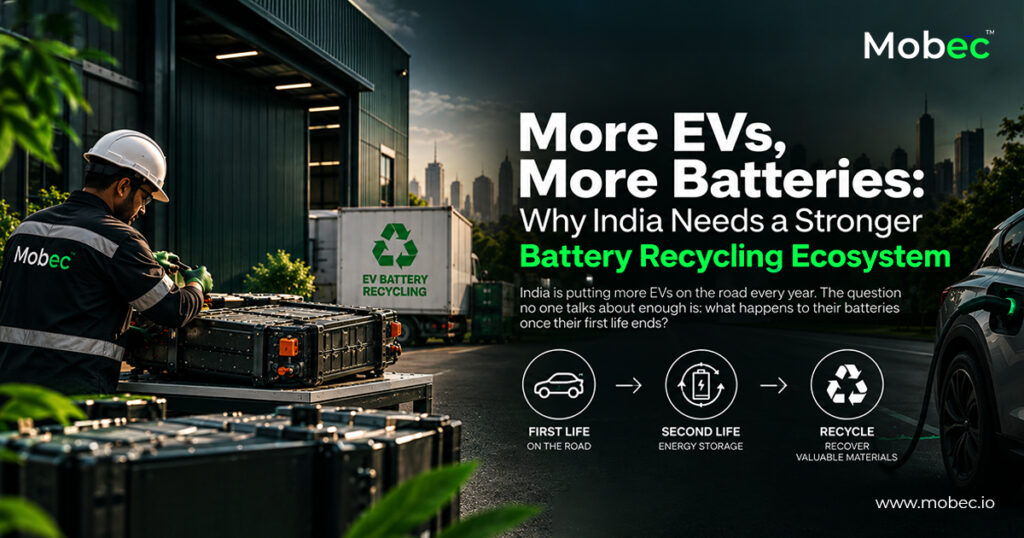
An EV battery can stop powering a vehicle long before the materials inside it run out of value. Lithium, graphite, copper, aluminium and other materials do not disappear when a…
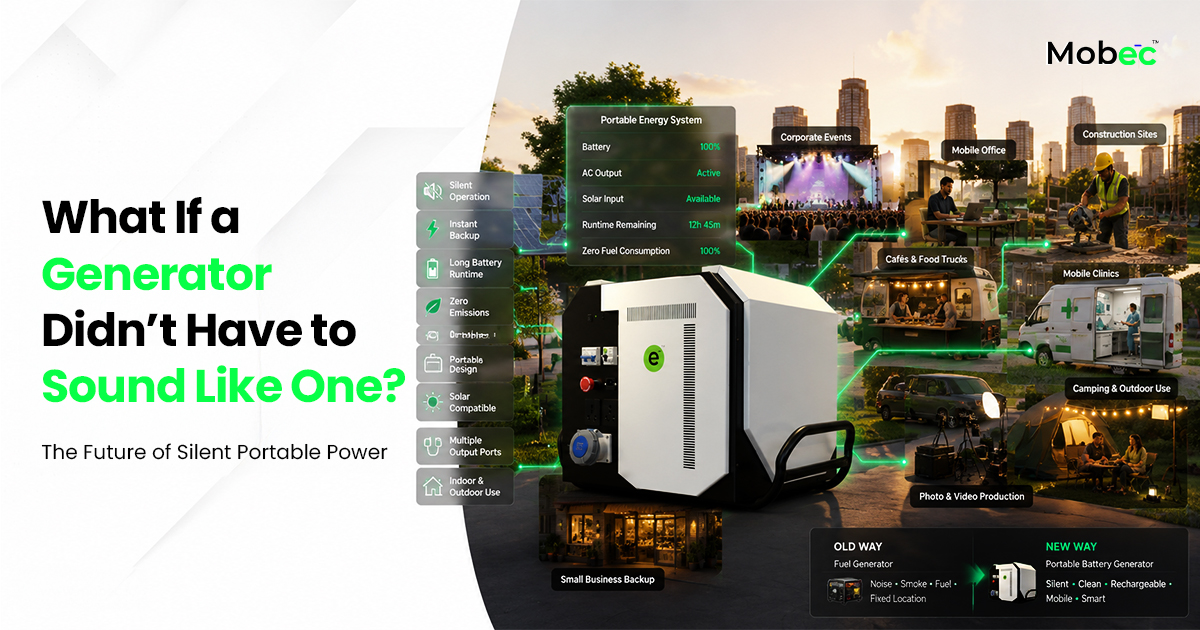
Power needs are becoming more mobile, but traditional generators have largely stayed the same. They still come with fuel, noise, vibration and regular maintenance. For a fixed location, that may…
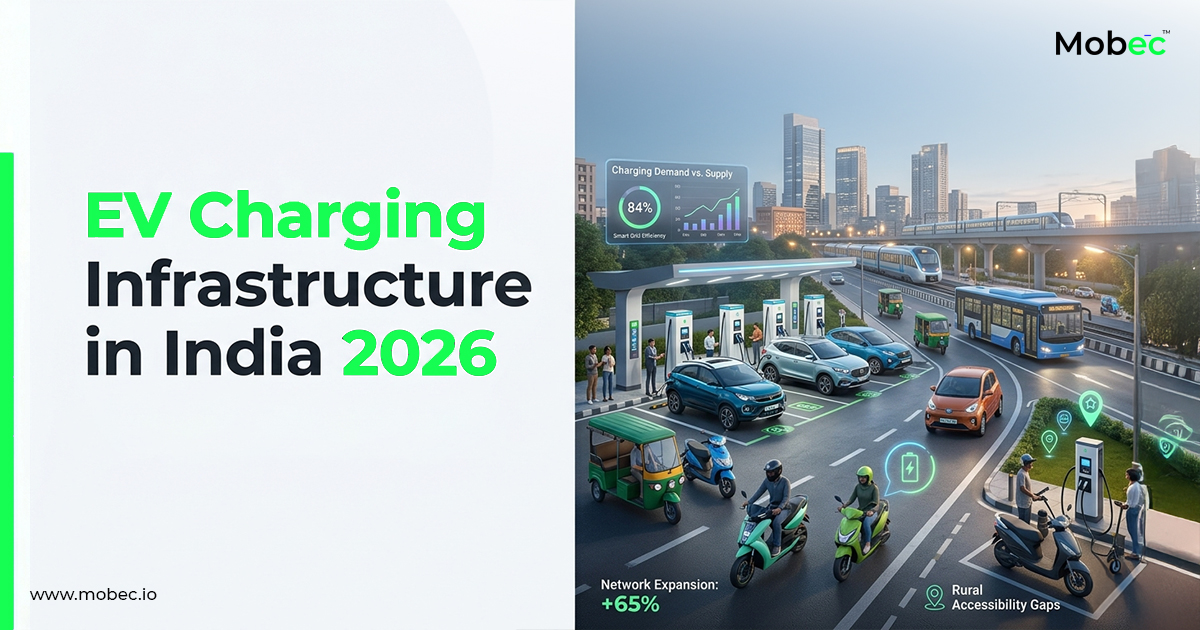
India’s electric mobility story is moving quickly. Electric vehicles are becoming part of everyday commutes, last-mile delivery networks and commercial fleets. Yet the infrastructure around them is still evolving. In…
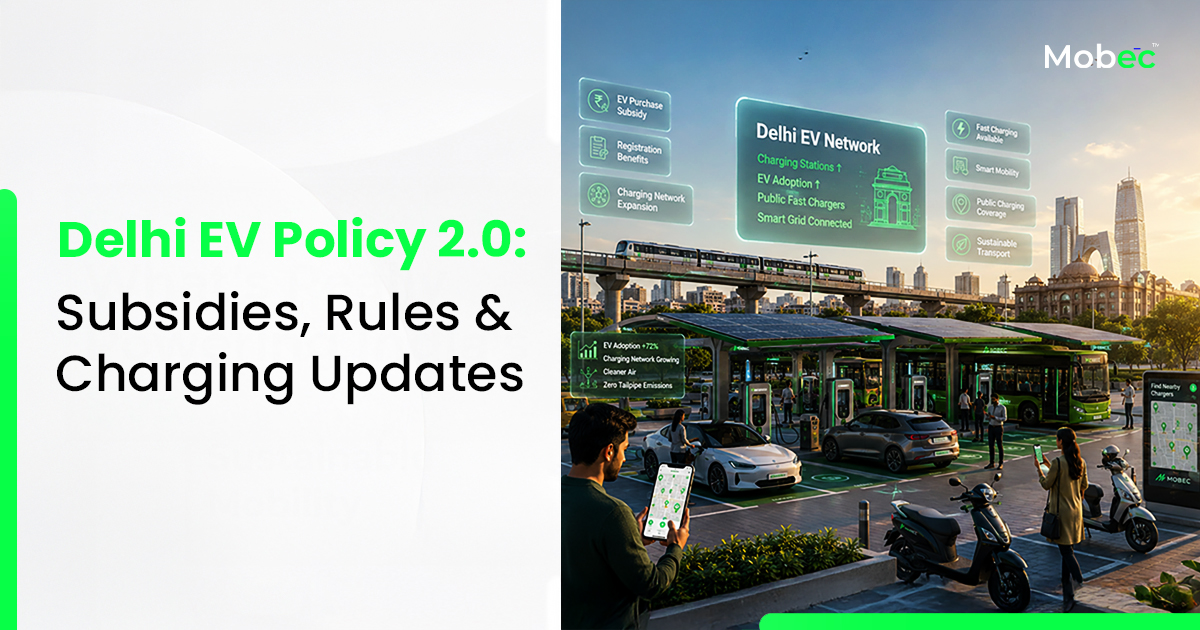
Delhi’s electric transition has reached an interesting point. People are no longer asking whether electric vehicles will become mainstream. They are asking more practical questions: Will an EV save me…
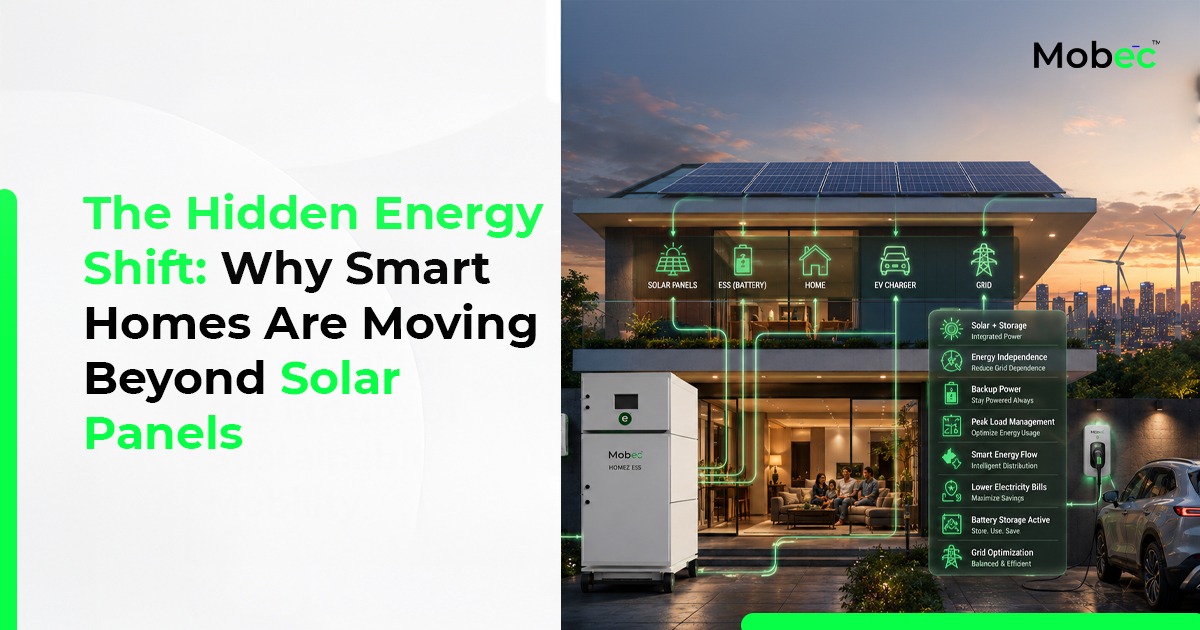
Solar energy has become a widely adopted solution for reducing electricity bills and improving energy independence in residential and commercial spaces. However, despite increasing solar installations, many homes continue to…
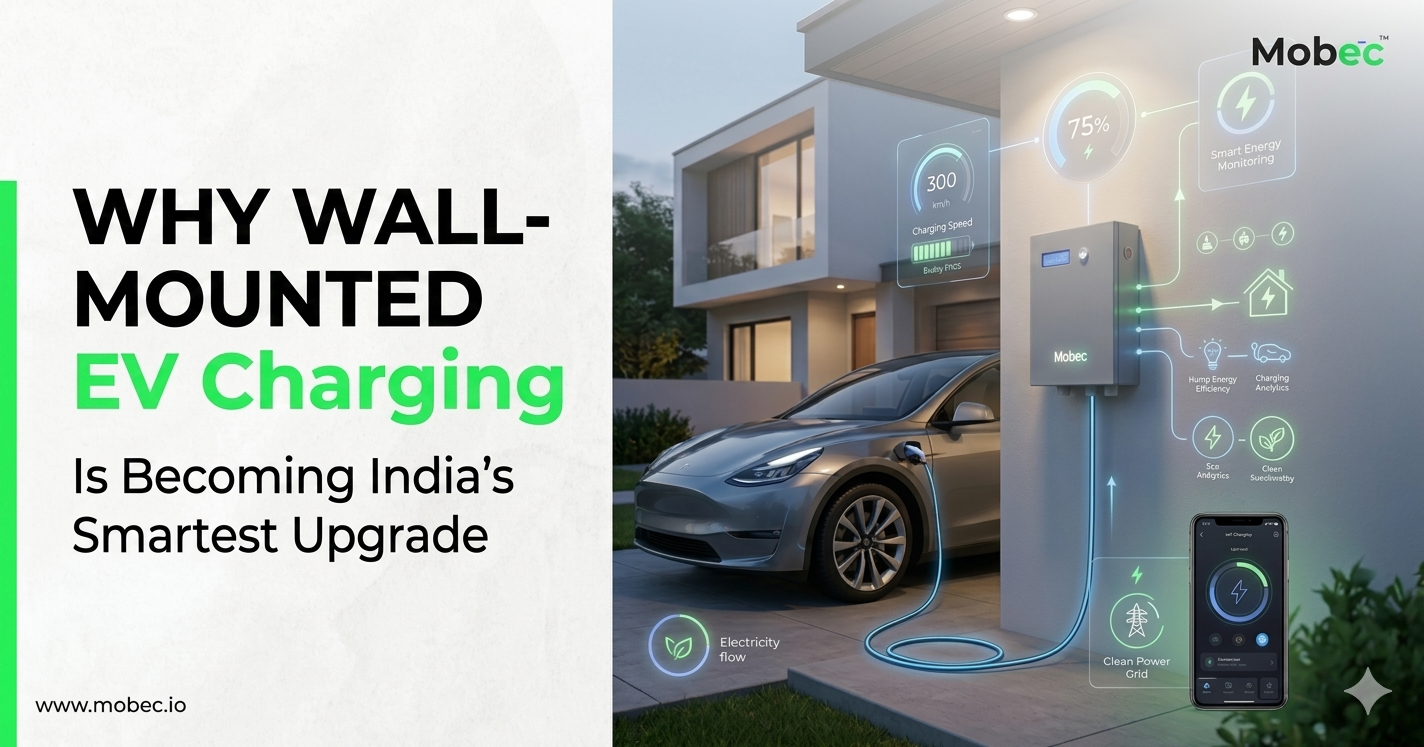
India’s shift towards electric vehicles is clearly visible on the roads. From two-wheelers and e-rickshaws to fleet vehicles and private cars, EV adoption is steadily increasing across the country. But…
Electric mobility in India is no longer a slow transition, it’s unfolding in real time. Rising fuel costs, climate pressure, and worsening air quality are steadily pushing both consumers and…
Electric vehicles are no longer a rare sight on Indian roads. From daily office commutes to business fleets and family cars, EVs are steadily becoming part of everyday life across…
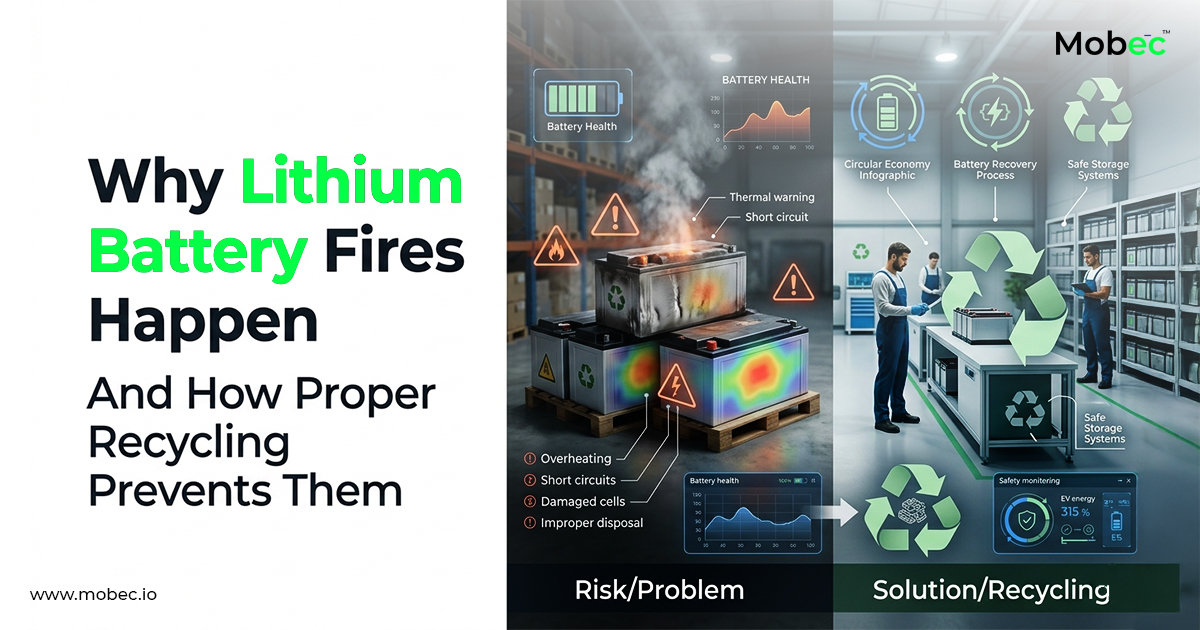
Lithium-ion batteries are powering India’s transition toward electric mobility, renewable energy storage, and portable electronics. From EVs to home backup systems, they have become essential to modern infrastructure. Yet, increasing…
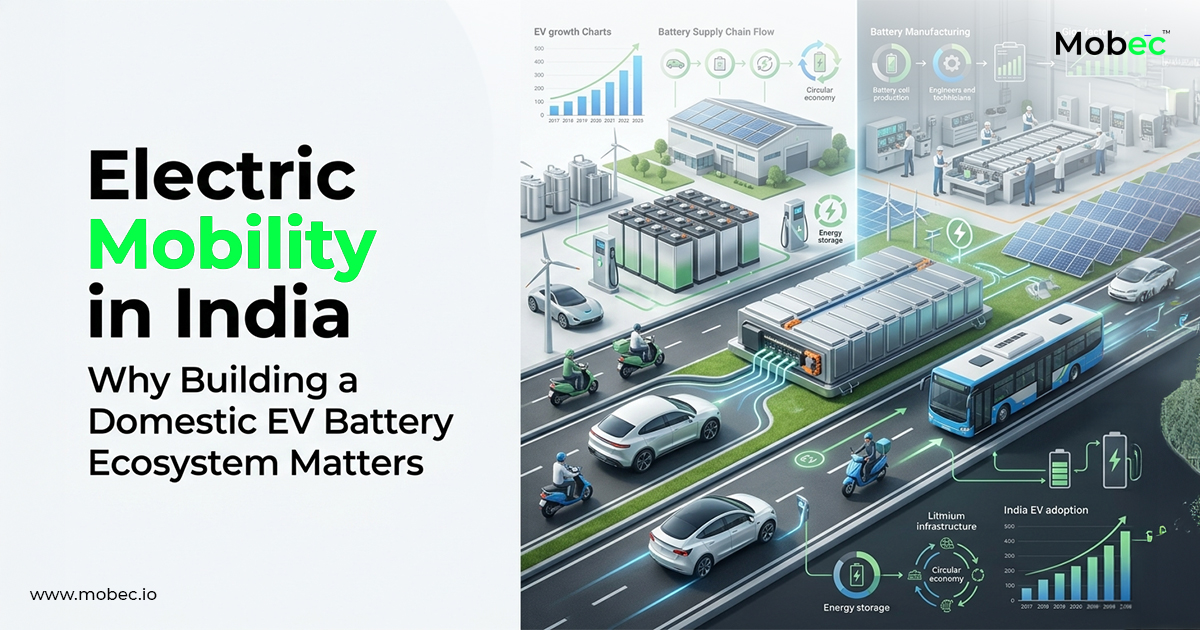
India’s electric vehicle (EV) sector growth is redefining the country’s mobility and energy landscape. What began as a manufacturing-focused push has evolved into a broader electric vehicle ecosystem in India,…